Cooking and restaurant games are a delightful mix of creativity and pressure. You prepare tasty dishes, serve happy customers and watch a tiny food stall grow into a thriving business. But when orders start arriving faster than you can handle them, the kitchen can feel chaotic. The secret to success in most of these games is not just quick fingers but good time management. This guide shares practical habits that keep your kitchen running smoothly.
How cooking games usually work
Most cooking games follow a similar pattern. Customers arrive with orders, which might be burgers, pizzas, coffee or a full breakfast. You prepare each dish by selecting ingredients, using kitchen equipment or following a recipe, then serve it before the customer runs out of patience. Successful service earns money, which pays for upgrades, new recipes and a bigger restaurant. Some games focus on precise recipe building, while others are closer to management games where you move around a shop serving customers.
Read every order carefully
Speed is useless if the dish is wrong. Before you start building an order, take a moment to read it completely. Note the ingredients and their order, especially in games where sequence matters, such as stacking a burger or adding pizza toppings. A wrong ingredient often means starting again, which costs far more time than a careful glance at the start.
Prioritise the right customer
When several customers are waiting, it is tempting to serve whoever is closest. A better approach is to look at patience meters. Serve the customer who is closest to leaving first, unless their order takes much longer to prepare than someone else's. Losing a customer usually costs more than serving a simple order a few seconds later.
Start the next task early
Many kitchen tasks involve waiting, such as food cooking, coffee brewing or an oven baking. Use that time. While one item cooks, start preparing the next order or move to serve a waiting customer. Experienced players keep several tasks moving at once, so there is never a moment where they are simply standing and watching a timer.
Plan efficient routes
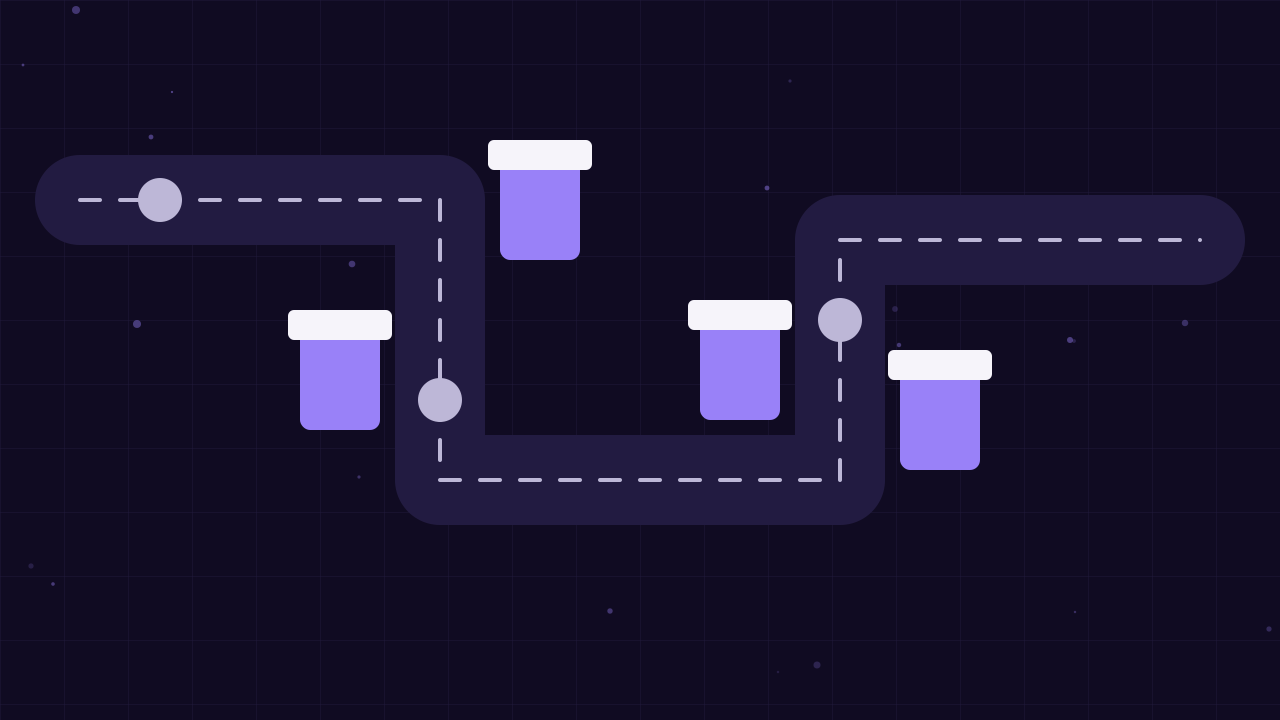
In games where you walk around a shop or kitchen, the path you take matters. Group tasks by location so you do not cross the room repeatedly. For example, collect everything from one station before moving to the next, and serve customers on your way back from the kitchen. Shorter routes add up to much faster service over a whole level.
Upgrade the bottleneck
Upgrades are where cooking games turn into tycoon games. The smartest upgrade is usually the one that removes your biggest delay. If customers wait because cooking is slow, upgrade the equipment. If orders are ready but you cannot deliver them quickly, upgrade your own speed or hire staff. If you constantly run out of an ingredient, upgrade capacity. Watching where things pile up tells you exactly what to improve.
Hire help when you can
Many restaurant games let you hire staff such as cashiers, cooks or helpers. Staff take over repetitive tasks and keep the business running while you focus on difficult orders. In idle-style restaurant games, staff often keep earning even while you are away. Hiring early usually pays off quickly. For more on this side of the genre, read our guide to idle and tycoon games.
Learn the menu layout
In recipe-building games, ingredients usually sit in the same place every time. Learning where each item is lets you build orders without searching. After a few levels, your hands will move to the right ingredient almost automatically, which is a big boost to speed and accuracy.
Expand gradually
New menu items and restaurant areas are exciting, but expanding too quickly can overwhelm you. Each new dish adds complexity to every rush. Unlock new items when your current menu feels comfortable, and make sure your equipment and staff can handle the extra demand.
Stay calm in a rush
Every cooking game has moments when everything seems to happen at once. When that happens:
- Focus on one order at a time and finish it properly.
- Serve the most impatient customer next.
- Ignore small extras, such as tips or decorations, until the rush passes.
- Remember that a single lost customer is not the end of the level.
Panicking leads to mistakes, and mistakes cost more time than a calm, steady pace.
Common mistakes
- Rushing ingredients. Wrong dishes waste far more time than careful building.
- Ignoring patience meters. Serving in arrival order is not always best.
- Standing still while food cooks. Use every waiting moment.
- Buying decorations before equipment. Speed upgrades usually earn more.
Get cooking
Cooking games are a fun way to practise multitasking, planning and staying calm under pressure, all while building a cheerful little business. Head to the Cooking and Shops category to find burger joints, pizza kitchens, cafes and more, and put these tips to work during your next dinner rush.